Cops Laugh While Arresting a Black Man – Next Day, He Was the Judge in Their Case
Cops Laugh While Arresting a Black Man – Next Day, He Was the Judge in Their Case 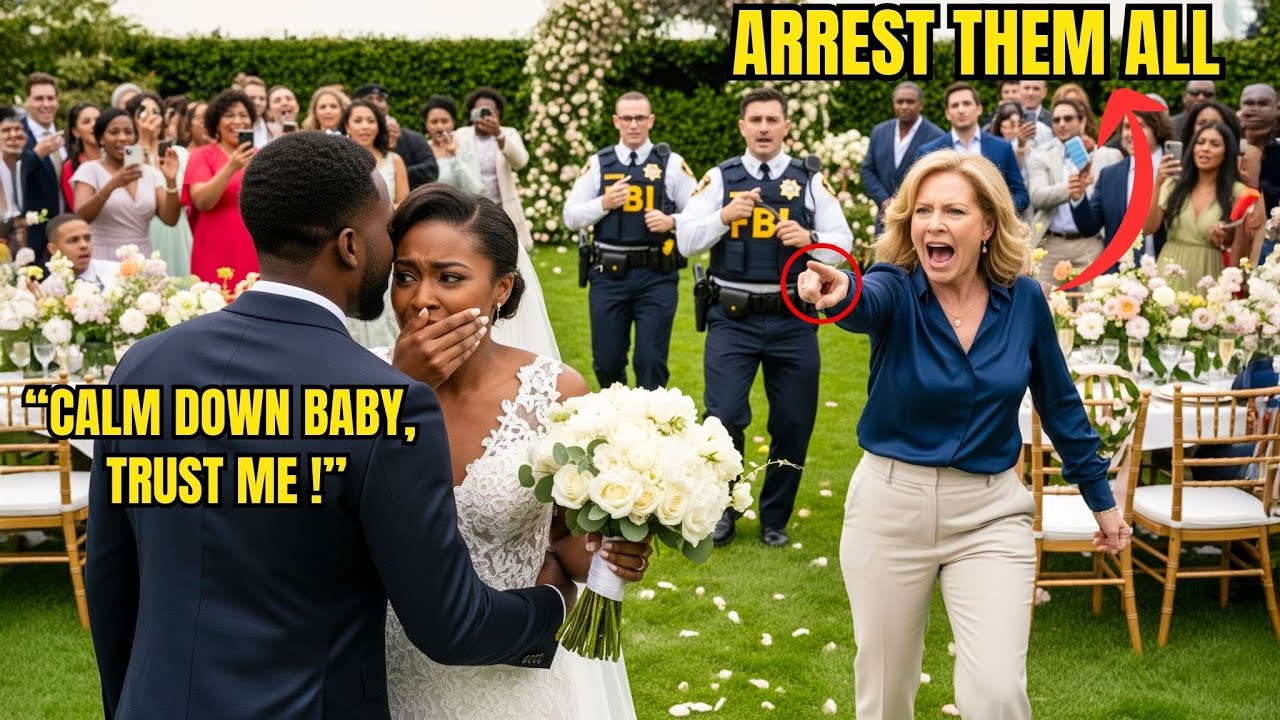
A distinguished black man in his 50s stands alone in the dimly lit courthouse hallway. His posture is perfect, his expensive suit immaculate despite the day’s proceedings. Judge Thomas Fuller’s reflection fragments across the polished marble walls, multiplying his image like parallel versions of the same man, one in power, one in doubt.
He stares at his phone, thumb hovering over a photo that makes his jaw clench. Himself in handcuffs from the previous night. Two officers smirking in the background. The timestamp reads 12:43 a.m. Less than 24 hours ago, yet it feels like a lifetime. Fuller zooms in on the officer’s faces. Their expressions contain something worse than hatred, amusement.
His humiliation had been their entertainment. 15 years on the bench and in their eyes he was nothing but a punchline. His reflection appears in the polished marble wall. Two versions of the same man, one humiliated, one powerful. He straightens his tie with steady hands that belly the storm brewing within. “How do you plan to explain laughing while violating my rights, officers?” he whispers to the image.
The bench awaits your answer. He slips the phone into his pocket and retrieves his judicial robes from a nearby hanger. The heavy black fabric settles on his shoulders like armor, transforming his silhouette into something formidable. The weight of responsibility, usually comfortable after 15 years, feels different today, personal.
His expression hardens into something unreadable as he approaches the courtroom doors. The polished brass handle reflects his determined eyes as he grasps it. The packed courtroom buzzes with afternoon cases. Lawyers shuffle papers, whispering strategies to clients. Defendants sit tense, futures hanging in the balance.
Court reporters prepare their equipment. The everyday machinery of justice, oblivious to the storm about to break. The baleiff, a veteran with a weathered face and alert eyes, notices Judge Fuller and stands at attention. He senses something different in the judge’s demeanor. A controlled intensity radiating beneath the professional veneer.
“All rise for the honorable Judge Thomas Fuller,” the baiff announces, voice filling the chamber with practiced authority. The room falls silent, bodies rise in unison, a choreographed show of respect for the bench, not the man. Judge Fuller strides to his position, his gaze sweeping across the gallery until it locks onto two uniformed police officers in the third row.
Their faces drain of color as recognition hits. Officer Reynolds drops his folder. Papers scatter across the polished floor. Officer Davis freezes midsip of water, cups suspended in air, liquid slloshing over the rim onto his crisp uniform pants. Fuller takes his seat with deliberate calm, straightens his papers, and peers over reading glasses at the docket.
His voice is measured, precise, the voice that has delivered countless verdicts. Case number 47291, Commonwealth versus officers Michael Reynolds and James Davis. Charges: Civil Rights Violations, false arrest, and abuse of power. The gallery erupts in whispers. The officers exchange panicked looks. The public defender assigned to their case frantically flips through papers, confused by this unexpected development.
How does a respected judge end up in handcuffs, mocked by the very officers now standing trial in his courtroom? 24 hours earlier, Judge Fuller drives his Mercedes sedan through the quiet streets of Oakwood Heights. Street lights illuminate sprawling colonial homes and manicured lawns. A neighborhood where success lives.
His neighborhood for 15 years since his appointment to the Superior Court bench. The digital clock on his dashboard reads 11:37 p.m. Late, but not unusual for a man whose days are consumed by the weight of others fates. Dinner with judicial colleagues had run long. A small celebration for his 15th anniversary on the bench.
Conversations about landmark cases and changing policies had energized him. Reminders of why he chose this path. A light rain begins to fall, droplets catching the glow of street lamps. Fuller adjusts the wipers to intermittent. The rhythmic sweep matches his contemplative mood. Fuller adjusts his Bluetooth earpiece and calls his daughter.
After two rings, her voice fills the car, bringing warmth to the solitary drive. Dad, it’s late. Court tomorrow. Just wrapped up dinner with Judge Winters and the others. Lost track of time discussing the Henderson appeal. That’s the environmental case, right? The one making headlines. Fuller smiles at her awareness.
That’s my future legal scholar. How’s that final brief coming along? Almost done. Three more weeks and I’m officially a law school graduate, following the family tradition. Pride warms his voice. That’s my girl, third generation legal scholar. Your grandfather would be proud. All because of you and grandpa, she says. Big shoes. You’ll fill them and then some.
The fuller legal legacy continues. He pauses at a stop sign, watching raindrops trace patterns on the windshield. I should let you get back to studying. Love you, Dad. Love you too, Alexis. Fuller ends the call as he turns onto Maple Drive. His house, stately brick with white columns, waits just three blocks ahead.
The street is deserted at this hour. Peaceful, the kind of peace earned through decades of work and sacrifice. The American dream realized through persistence and excellence. Red and blue lights suddenly flash in his rear view mirror, shattering the tranquility. Fuller checks his speed, five under the limit. He signals and pulls over smoothly, already reaching for his registration in the glove compartment.
His judicial instincts catalog details. Location, time, potential witnesses, none. Street lighting adequate. The police cruiser stops behind him. High beams activated, filling his car with harsh light. Two officers emerge approaching from both sides of his vehicle. Standard procedure, but their hands hover near their weapons.
Fuller notices this detail with professional detachment even as his heartbeat quickens slightly. Officer Reynolds appears at his window. Flashlight beam directed at Fuller’s eyes, temporarily blinding him. The officer’s face remains in shadow, a silhouette of authority against the night. License and registration, Reynolds demands without preamble.
No greeting, no explanation for the stop. Good evening, officer, Fuller responds calmly, squinting against the light. May I ask why I’m being stopped? Reynolds ignores the question, flashlight unwavering. What’s someone like you doing in this neighborhood at this hour? Fuller’s expression doesn’t change, though something shifts behind his eyes.
The implication is clear, the subtext transparent to a man who has spent decades interpreting language. I live here, three blocks ahead. I’m coming home from a dinner with colleagues. Sure you are, Officer Davis says from the passenger side, his tone dripping with skepticism. License and registration. Now I’m reaching for my wallet, Fuller states clearly, movements deliberate and telegraphed.
It’s in my inside jacket pocket. Fuller’s hand moves toward his suit jacket with calculated slowness. Both officers immediately draw their weapons. The metallic sound of guns clearing holsters cutting through the night air. “Hands on the wheel!” Reynolds shouts, voice sharp with sudden authority. “Now!” Fuller freezes, hands gripping the steering wheel at precisely 10 and two.
His heartbeat accelerates, but his voice remains steady. the voice that commands courtrooms. My identification is in my jacket. I’m a judge with the Superior Court. Judge Thomas Fuller. The officers exchange glances in the darkness. Davis smirks, weapons still trained on Fuller. Sure you are, and I’m the attorney general.
We get a lot of judges out at midnight. Step out of the vehicle, Reynolds orders, using his free hand to open Fuller’s door. On what grounds? Fuller asks, knowing the answer, but requiring it for the record forming in his judicial mind. Suspicious activity, failure to comply with an officer’s instructions. Fuller knows his rights, knows the law being twisted before his eyes.
He also knows what happens when black men argue with armed officers. He unbuckles his seat belt, the click unnaturally loud in the tense silence. I’m exiting the vehicle slowly. He narrates his movements. Law School 101. Rain falls on his expensive suit as he steps onto the wet pavement. As Fuller stands, Reynolds immediately spins him around, shoving him against the car with unnecessary force.
The cold metal presses against his cheek. 15 years on the bench, and his face is pressed against a car door like a common criminal. This is unnecessary, Fuller states. No emotion betraying his words and unauthorized under department procedure 8.14 regarding non-resistant suspects. The citation of police procedure earns him another shove against the vehicle.
Spread your legs, Davis commands, holstering his weapon to begin a patown. Across the street, lights come on in a neighbor’s house. Curtains part. A face appears in the window. Mr. Sanderson, who waved to Fuller just that morning while collecting his newspaper. Their eyes meet across the distance. Recognition dawns on Sanderson’s face, followed by discomfort, then something worse. Decision.
Sanderson closes his curtains, turning away from the scene. Darkness returns to the window. Fuller feels this betrayal more keenly than the handcuffs that will soon follow. Nothing here, Davis says after a rough pat down that feels more like punishment than procedure. Check his ID. Reynolds retrieves Fuller’s wallet from his jacket, flipping it open beneath the flashlight beam.
His judicial identification card is prominently displayed. Official courthouse photo, state seal, title clearly marked. Well, look at this, Reynolds says, voice laced with performative skepticism. Judge Thomas Fuller. Nice fake ID. That’s not fake. Fuller says evenly. Call the courthouse. Contact Chief Justice Robson.
His number is in my contacts at midnight for a fake ID. Davis laughs. The sound ugly in the quiet neighborhood. You’re committed to this bit. Reynolds pulls Fuller’s hands behind his back with unnecessary roughness. The cold bite of handcuffs around his wrists is unfamiliar, humiliating. Metal teeth dig into flesh accustomed to wielding gavls, not wearing restraints.
“You’re making a serious mistake,” Fuller says. Dignity intact despite his position. “One that will have consequences.” “Take his picture,” Reynolds tells Davis with a chuckle. “No one’s going to believe this one.” Davis pulls out his phone, snapping photos as Fuller stands handcuffed beside his luxury car in front of his own neighborhood.
The camera flash illuminates the scene in stark bursts. A respected judge reduced to a trophy photo for officer’s amusement. This will make a great story at the precinct, Reynolds says, leading Fuller toward the patrol car. The fake judge who tried to pull rank. Betty regrets that fancy car now. As they push his head down into the back seat, Fuller catches sight of his house just three blocks away.
So close yet unreachable. The cruiser door slams shut with the finality of a gavvel, sealing him on the wrong side of justice. The holding cell smells of industrial cleaner and stale sweat. Judge Fuller sits on a metal bench, the only one in a suit among five other detainees. His handcuffs were removed during processing, but his dignity suffered wounds no key could unlock.
Fluorescent lights buzz overhead, harsh and unforgiving, casting everyone in the same sickly palar regardless of their story. Fuller observes his surroundings with the same analytical mind that dissects legal arguments. The cell is 10 by 12 ft. Six men, one toilet without privacy, graffiti scratched into painted cinder block walls, names, dates, obscenities, pleas for justice.
The irony isn’t lost on him. A young man with bloodshot eyes and a faded tattoo on his neck stares at him from across the cell. What are you in for, Pops? Fuller considers ignoring him, then reconsiders. Perhaps this is what he needs. Perspective from the other side of the bench. Driving while black in the wrong neighborhood. My neighborhood.
This earns a bitter laugh from another detainee. A heavy set man with three days of stubble. Classic. Welcome to America. Suit and tie. Told them I’m a judge. Fuller adds, testing how the words sound in this environment. The laughter spreads across the cell like contagion. Man, we’re all judges and lawyers in here, says a tattooed man in the corner, his arms a canvas of prison art.
I’m the DA. This guy’s the mayor, and that dude over there is the president. Right, Mr. President? A young Latino man playing the role of Mr. President offers a mock salute. Executive privilege, baby. Fuller doesn’t argue. There’s no point in here. His title means nothing. He’s just another black man in the system.
He observes the booking desk where Officer Reyes, a female desk sergeant with efficient movements and tired eyes, processes paperwork. She frowns at something on her computer screen, looks up at Fuller through the holding cell bars, then back at the screen. She picks up the phone, turns away from the other officers, and speaks in hushed tones.
Reynolds notices from across the room where he’s filling out his report and approaches her desk, coffee cup in hand, authority in his stride. problem with processing the fake judge? He asks loudly enough for Fuller to hear. A performative display for the other officers who chuckle in response. Reyes hesitates, fingers hovering over the keyboard.
His record shows active judicial credentials verified in the system. Probably hacked the database, Reynolds dismisses with a wave of his hand. Guys like that are always working angles. Run his prince. Fuller watches this exchange with clinical detachment, cataloging every word, every dismissal. The wheels of justice turn slowly, but they do turn.
Even here, even now, and he will remember. Cold metal chair, table bolted to the floor, mirror on the wall, obviously one-way glass for observation. Judge Fuller has sent people to rooms like this for 15 years now. how he sits on the other side experiencing what thousands have faced in his courtroom. The room is deliberately uncomfortable, too cold, chair slightly too small, bright lights that prevent rest.
Psychology designed to wear down resistance. Fuller recognizes the tactics because he’s read countless police procedure manuals for his cases. Detective Barnes enters with a folder, slaps it on the table with practiced nonchalants. mid-40s, tired eyes, coffee stains on his tie. Fuller recognizes the type.
Overworked, underpaid, cutting corners to close cases. Probably has a decent clearance rate, but achieves it through paths of least resistance. Quite a story you’re selling. Barnes begins without introduction, circling the table like a predator. Judge Fuller, is it? Or should I say, your honor. The honorific becomes mockery in his mouth.
It’s not a story. It’s a fact you can easily verify with a phone call to Chief Justice Robersonson. His home number is 6175554287. Barnes raises an eyebrow at the precise recitation of the number. He opens the folder, pretends to read through Fuller can see it’s mostly empty. A pressure tactic, nothing more.
Says here, “You were combative during a routine traffic stop.” resisted officers instructions. I was neither combative nor was there justification for the stop. Your officers racially profiled me, escalated without cause, and arrested me for driving in my own neighborhood. Want a lawyer? Public defenders backed up tonight.
Might be morning before someone gets to you. Barnes delivers this with a hint of satisfaction. Another pressure point applied. Fuller leans forward. the fluorescent light casting harsh shadows across his face. I am the law and you’re making a careerending mistake. Something in his tone makes Barnes pause.
The detective studies Fuller more carefully, noting the perfect Windsor knot of his tie, the quality of his suit, the callous on his right middle finger from years of writing legal opinions. Let me check something, Barnes says, stepping out with sudden uncertainty. Fuller remains perfectly still, conserving energy, preserving dignity. Through the wall, raised voices argue.
He catches fragments, fingerprint match, and judicial database and massive lawsuit. And captain needs to know. When Barnes returns, his demeanor has shifted completely. He stands straighter, looks more alert, like a student called unexpectedly to the principal’s office. There seems to be some confusion about your identity, sir.
No confusion, just prejudice, Fuller responds, voice level, but cutting. Officers Reynolds and Davis decided what I was the moment they saw me. Everything after was justification. Barnes swallows hard. We’re looking into it. Look quickly, detective. Every minute I remain here compounds the liability. Captain Shaw rubs his temples, staring at the arrest report spread before him.
His office is small but private. Photos of family on the credenza, commendations on the wall, desk drowning and paperwork, the administrative burden of modern policing. Reynolds and Davis stand at attention before him. Uniforms still crisp despite the late hour. Let me get this straight,” Shaw says, voice dangerously quiet.
“You arrested a man for suspicious activity in his own neighborhood three blocks from his home.” “He was combative,” Reynolds begins, falling back on the standard defense. “Was he?” Shaw interrupts, tapping the report with his index finger. “Because there’s no mention of resistance in your report. No charges of resisting arrest or assaulting an officer.
He claimed to be a judge, Davis offers, as if this explained everything. Seemed like an obvious lie. Who would believe that? Shaw turns his computer monitor around oncreen. Judge Thomas Fuller’s official portrait and credentials from the courthouse website. Official biography listing Harvard Law, 15 years on the bench, specializations in constitutional law and police misconduct cases.
“This obvious lie?” Shaw asks, voice heavy with the weight of consequences to come. The officers exchange nervous glances. Reynolds shifts his weight from one foot to another. Davis stares at a point on the wall above the captain’s head. “Where’s your body cam footage?” Shaw demands, leaning forward in his chair. I want to review it now.
Another glance between them. Reynolds clears his throat. Technical issue with the equipment, sir. Both of you simultaneously. Battery was dead. Davis offers weakly. Been meaning to report it to maintenance. Silence fills the office. Captain Shaw stands, hands flat on his desk, leaning toward his officers with barely contained fury.
Do you have any idea who you’ve arrested? Any idea of the storm you’ve just created? Any concept of the liability you’ve just exposed this department to? Sir, Davis tries, but Shaw cuts him off with a sharp gesture. The man presides over half the police misconduct cases in this district. He’s known the DA for 20 years.
His daughter clerks for the state supreme court. His decisions have shaped departmental policy for a decade. The color drains from Reynolds face as the magnitude of their error becomes clear. We didn’t know. That’s the point. Shaw snaps, voice rising despite his effort to control it. You didn’t bother to know. You saw a black man in an expensive car and jumped straight to criminal.
Neither officer responds. There is nothing they can say. Fuller collects his personal belongings at the processing desk. Watch, wallet, keys, phone, belt. Dignity not included in the plastic bin. Officer Reyes pushes a form across the counter, avoiding eye contact. Sign here for your release, sir. Fuller studies the form, reading every line despite the late hour and his exhaustion.
His legal mind dissects the language, finding the clause buried in bureaucratic terminology. He looks up. No, excuse me. I’m not signing a release form that indemnifies the department for false arrest. Reyes shifts uncomfortably, glancing toward where Captain Shaw watches from his office doorway. It’s standard procedure, sir. So is respecting citizens constitutional rights, Fuller replies, sliding the form back across the counter untouched.
I’ll be reviewing this case personally, every minute of it. Captain Shaw approaches, his face a mask of professional damage control. He extends his hand. Judge Fuller, I want to personally apologize for this unfortunate incident. It’s not reflective of our department’s values or training. Fuller doesn’t take the offered hand.
The gesture hangs between them. A bridge offered too late. Save it for court, Captain. Your officers didn’t make a mistake. They followed their training precisely. That’s the problem. Shaw’s hand drops to his side. We’ll conduct a thorough internal investigation. So will I, Fuller responds with considerably more transparency and consequence.
As Fuller walks toward the exit, he notices security cameras in the corners of the room. His expression doesn’t change, but his mind catalogs their positions and angles. He pulls out his phone and texts a single message to his clerk. I need all footage from precinct 18 tonight. Full surveillance backup. Use the judicial emergency warrant protocol.
The station doors slide open. 4:00 a.m. Freedom tastes like bitter coffee and righteous anger. The night air fills his lungs as he steps outside. No longer a detainee, but not yet returned to his former self. Something has changed. Something fundamental. The first light of dawn breaks through Judge Fuller’s home office windows.
He sits motionless in his leather chair, still wearing yesterday’s suit, now wrinkled from the holding cell bench. The silence of his empty house feels oppressive after the night’s chaos. Diplomas and certificates line the walls. Harvard Law, Magnaum Laud, Bar Association honors, judicial appointments signed by two different governors.
A professional life built on respect for the law that failed to protect him last night. On his desk sits a standard police complaint form printed from the department website. Next to it, photos of his family through decades. His late father in judicial robes at his own swearing in ceremony. Himself at law school graduation.
The first black validictorian in his class. His daughter Alexis in her college cap and gown beaming with inherited determination. Fuller’s fingers hover over the complaint form. Too small, too easy to bury, too slow for the justice needed. He’d seen hundreds of these forms pass through his court, most dismissed, others settled quietly with minimal consequence.
He pushes it aside and opens his laptop instead. The screen illuminates his determined face as he begins typing a formal judicial inquiry. This will bypass the departmental review process entirely. His personal email won’t do. He needs the weight of the bench behind this. In my capacity as superior court judge, I am initiating an immediate investigation into officers Michael Reynolds, badge number 8294, and James Davis, badge number 7612, for violations of civil rights under color of authority.
His fingers move with practiced precision across the keyboard. Legal language flowing naturally after decades of crafting opinions. This document won’t be buried or delayed. It will hit the police commissioner’s desk by noon. The clock on his desk reads 6:00 a.m. Court docket begins at 4:00 p.m. 10 hours to build a case that should never have needed building.
Jesus Thomas, Diane whispers when Fuller enters the records room. Diane Thompson has been court clerk for 25 years. Her steel gray hair and reading glasses fixtures in the courthouse. Nothing surprises her anymore until now. The records room smells of paper and time. File boxes stacked to the ceiling. Computer terminals humming against one wall.
The legal history of the city preserved in countless documents. I need everything on officers Michael Reynolds and James Davis, Fuller says without preamble. Every complaint, every case, every footnote, and every report where their names appear. Diane studies his face, the exhaustion etched in new lines around his eyes, the controlled fury tightening his jaw.
What happened to you? Fuller pushes up his sleeve. Bruises circle his wrist where the handcuffs dug in, purple against brown skin. Evidence. They didn’t, she starts, unable to complete the thought. They did, and they’ve done it before. I need to know how many times. Diane’s lips press into a thin line.
She nods once, professional efficiency taking over. Give me 30 minutes. I’ll pull everything in the system. Fuller begins reviewing personnel files Diane has already retrieved. Both officers have multiple complaints. Excessive force, racial profiling, improper search procedures, all dismissed or settled quietly with no admission of wrongdoing.
The pattern emerges with disturbing clarity. He finds three cases where defendants claimed mistaken identity, wrongful arrest. All three defendants were minorities. All three cases disappeared into the bureaucratic labyrinth. This needs to happen today, Fuller tells Diane as she places another stack of files before him.
The system either works or it doesn’t. You’re the system, Thomas,” she reminds him, her hand briefly touching his shoulder in a rare display of familiarity. “Make it work.” “That’s exactly what I intend to do,” he responds, opening another file. “Starting with these two officers.” Lieutenant Harper from internal affairs meets Fuller in a coffee shop three blocks from the precinct.
The cafe is busy enough to provide anonymity, quiet enough for conversation. Harper, a black woman in her 40s with stern eyes and a reputation for incorruptibility, slides a USB drive across the table like a spy in a Cold War film. Those two have been problems for years, she says quietly, coffee untouched before her.
Reynolds has seven complaints in 5 years. Davis 5 and three, but no one ever presses charges. Witnesses disappear. Evidence gets lost. You know how it goes. Not this time, Fuller says, pocketing the drive. His coffee also sits untouched. He hasn’t slept, hasn’t eaten, runs on purpose alone. There’s body cam footage from prior incidents.
Reynolds forgets to turn his off when bragging afterward. Locker room talk. Davis has three citizen complaints this month alone. Fuller checks his watch. Sleek and expensive. a gift from his daughter last Christmas. I need witness statements from these victims in 10 hours. Impossible. Make it possible, Lieutenant.
Hearing set for 400 p.m. I’ll need judicial authorization for expedited document processing. Fuller slides a signed order across the table. Already done. Escalation. Harper leans forward, voice dropping further. You know, they’ll say you’re making this personal, that you’re abusing your position, that it’s a vendetta.
It became personal when they put me in handcuffs for driving home, Fuller responds, eyes never leaving hers. But it was already personal for every other person they’ve humiliated. The difference is I have the power to do something about it. The thin blue line is real, judge. They protect their own. So does the bench, Fuller responds.
Justice may be blind, but she sees everything. Fuller’s law clerk, Luis Ortega, spreads documents across the conference table in the judge’s chambers. Timeline reconstructions, officer statements, precinct security footage showing Reynolds and Davis laughing, showing photos on their phones to other officers who respond with amusement.
The chambers feel different today. Not the sanctuary of legal reflection, but a war room where justice is weaponized against its abusers. They texted these photos to five other officers, Luis reports, pointing to phone records obtained through emergency subpoena with some choice comments about where you belong.
I won’t repeat the language. Fuller nods, unsurprised, and the body cam magically malfunctioned, but Lieutenant Harper recovered automatic cloud backups. the officers didn’t know existed. New departmental policy after last year’s federal consent decree. Fuller reviews case law on judicial authority in misconduct cases.
Precedent exists, not common, but possible. He can preside over the probable cause hearing before recusing himself for the actual trial. The legal path is narrow but navigable. The defense will argue bias, Luis warns, organizing files with the precision of a natural legal mind. They’ll say you’re too personally involved.
They’ll be right, Fuller acknowledges, closing a reference book with finality. But that doesn’t make them innocent. Fuller’s phone rings. Chief Justice Robersonson’s name appears on screen. Fuller meets Louis’s eyes. They both understand the significance. Thomas, the Chief Justice begins without greeting.
Words spreading about last night about your plans for today. Robert, recuse yourself for your own good, for the integrity of the bench. Fuller looks at the evidence before him, photos, testimonies, patterns of abuse spanning years. With respect, your honor, if I step aside, who steps up? who speaks for every person those officers have humiliated, brutalized.
Silence stretches between them, heavy with implication. 10 years I’ve known you, Thomas, never seen you compromise your ethics. I’m not starting today. This could fracture the relationship between the court and police department for years. Perhaps it needs fracturing, Fuller responds. Perhaps that’s the only way to rebuild it properly.
A heavy sigh travels through the connection. Then God help you and maybe the rest of us, too. District Attorney Sarah Lawson paces Fuller’s chambers, heels clicking against hardwood floors. Tension radiates from her professional posture. This is unprecedented. You can’t prosecute a case where you’re the victim. I’m not prosecuting.
I’m presiding. You’re prosecuting. I need more time, more evidence. You have 14 similar cases against these officers in your pending files. Fuller counters, pointing to the stack. 14 lives disrupted. 14 injustices waiting for someone to care. How much more do you need? Lawson stops pacing, arms crossed defensively.
Thomas, I have to work with these officers after this case ends. My office depends on police cooperation. See, so justice takes a backseat to professional convenience. Fuller’s voice remains level, but the question lands like a gavl. Lawson’s expression hardens. They’ll appeal, claim bias. This could backfire spectacularly.
Fuller turns his computer monitor toward her. Breaking news headlines flash across the screen. Judge arrested in own neighborhood and judicial profiling incident sparks outrage and superior court judge handcuffed three blocks from home. Social media is exploding. Luis reports from his tablet.
Someone leaked the body cam footage. It’s trending nationwide. Lawson’s resistance visibly weakens. If we do this, we do it by the book. No shortcuts, no procedural errors they can exploit on appeal. Agreed, Fuller says, standing. Justice needs to be both done and seen to be done. He moves to a small closet in the corner of his chambers, removes his judicial robes.
The black fabric feels heavier today, weighted with additional purpose. Fuller picks up his judicial robes. Sometimes justice needs an audience. He stands before the mirror, straightening the heavy black fabric across his shoulders. In the reflection, he sees not just himself, but every person who ever stood powerless before those who abused their authority.
“Justice isn’t just blind,” he says quietly. “Sometimes she needs to see clearly.” Courtroom 302 fills beyond capacity. Journalists pack the back row, smartphones and notepads ready. Law students squeeze into any available space, witnessing history unfold. Community activists stand along the walls permitted by unusually lenient baiffs.
The air hums with anticipation and the undercurrent of righteous anger. Officers Reynolds and Davis sit in the front row, uniforms pressed, expressions confident. Their union representative whispers reassurances. This is routine. Administrative hearing, paid leave, return to duty in two weeks. The system protects its own. The defense table holds their attorney, a department provided lawyer with sllicked back hair and a power tie, arranging papers with rehearsed confidence.
The baoiff wraps his gavl against the wooden podium. All rise for the honorable judge Thomas Fuller. The room stands as Fuller enters, his robes flowing behind him like a monarch’s train. He takes his place at the bench, surveys the courtroom with practiced neutrality that masks the storm within. Reynolds recognizes him first.
The officer’s smug expression dissolves into shock, blood draining from his face like a theatrical transformation. He elbows Davis, whose water cup freezes halfway to his mouth, liquid slloshing over the rim. “Be seated,” Fuller instructs, his voice carrying the weight of legal authority. Case number 47291. Commonwealth versus officers Michael Reynolds and James Davis charges.
Civil rights violations, false arrest, and abuse of power. The courtroom erupts into chaos. Journalists frantically type on phones. Spectators whisper urgently to neighbors. The defense attorney jumps to his feet, legal pad falling forgotten to the floor. Your honor, we’re here for a routine administrative hearing, he protests, voice cracking with surprise.
There’s nothing routine about civil rights violations, counselor, Fuller responds, voice cutting through the chaos like a scalpel. And there’s nothing administrative about justice. Davis whispers frantically to his attorney. Reynolds stares straight ahead, the reality of their situation settling over him like a shroud.
Your honor, the defense attorney sputters, gathering his composure. You cannot preside over this case. You’re clearly biased as the alleged victim. Fuller removes his glasses deliberately, folding them and placing them precisely on the bench before him. You may be wondering if I can preside over this case.
The judicial code is clear when the judge is the victim and witness. He pauses, letting tension build like a prosecutor before a damning revelation. I am permitted to establish probable cause and refer for prosecution. That’s precisely what I intend to do. The courtroom screen displays body cam footage recovered from the automatic cloud backup.
Though the officers claimed technical malfunctions, Lieutenant Harper recovered footage from the server. The images are damning. Fuller complying with all instructions. officers laughing as they handcuff him. Casual cruelty in their movements. As you can see, Fuller narrates dispassionately. At no point was I combative or resistant.
The footage continues showing Reynolds photographing Fuller in handcuffs while Davis laughs. Audio clearly captures, “No one’s going to believe this one.” Exhibit B. Fuller announces text messages between the defendants following my arrest. The screen changes to show message exchanges. Reynolds to Davis. Got another one.
Rich racial slur. Thought he could play judge. Davis’s response. Judge dread more like it. I am the law. Lol. More messages appear revealing a pattern of targeted stops. The gallery murmurss in growing outrage. Several community members nod in grim recognition, their experiences validated by irrefutable evidence. District Attorney Lawson stands, composed and professional.
The Commonwealth requests these messages be entered into evidence along with similar communications from prior incidents. So ordered, Fuller responds. Officer Reynolds, Fuller addresses him directly. Explain to this court why you found it amusing to violate a citizen’s constitutional rights. Reynolds shifts uncomfortably in the witness chair, tugging at his collar.
Your honor, we had no way of knowing that I was actually a judge. That’s your defense. Fuller’s voice remains calm, but each word lands like a precise blow. So, your position is that civil rights violations are acceptable if the victim lacks sufficient status. Reynolds looks to his attorney for help. None comes.
So, your position is that civil rights protections only apply to judges, to those with power to hold you accountable? Davis interrupts from his seat, unable to contain himself. Your honor, we had no idea who you were. Fuller’s gaze shifts to him, and Davis visibly recoils from the intensity. That’s precisely the problem, Officer Davis.
Justice depends on who I am, on my title. What about those without titles? Fuller gestures to the gallery. What about Mr. Thompson, who you stopped three times in two months? Or Ms. Rodriguez, whose car you searched without consent? Or Mr. Jackson, who spent two nights in jail because you mistook him for a suspect who looked nothing like him.
The named individuals stand in the gallery, ordinary citizens with extraordinary courage, facing their tormentors in open court. The courtroom falls silent as Fuller reviews the evidence one final time. The weight of the moment settles over the room like a physical presence. Justice so often an abstraction becomes palpable. The evidence before this court establishes clear probable cause for criminal charges against officers Reynolds and Davis.
Fuller announces each word measured and precise. As is my ethical obligation, I am recusing myself from further proceedings. The defense attorney relaxes slightly, a premature relief crossing his features. This case will be transferred to Judge Winters for arraignment and trial. Fuller continues. But before I step down from this matter, Fuller gestures to the court clerk, who distributes packets to the jury box where community observers sit.
This is not an isolated incident. The court has identified 27 similar cases involving these officers. All minorities, all dismissed or buried, all representing failures of the system I have served for 15 years. The packets contain photos, testimonies, statistics, evidence of a pattern so clear it cannot be denied or explained away.
The cumulative weight of dozens of lives impacted by unchecked authority. Today isn’t about me, Fuller states, voice resonating through the silent courtroom. It’s about every person who didn’t have the power to fight back. Every citizen whose rights were trampled because they lacked a title or platform. The officers stare at the floor.
Their union representative frantically makes calls, realizing the usual playbook won’t work this time. Officers Reynolds and Davis are suspended effective immediately, pending criminal trial. Fuller announces bail hearing will commence tomorrow under Judge Winters. The evidence presented today will be provided to the Police Standards Commission for review of their fitness to serve.
He surveys the packed courtroom one final time, his gaze lingering on the community members who have lived the injustice he experienced for a single night. He looks directly at the officers. The blindfold on Lady Justice isn’t so she can’t see. It’s so she sees us all equally. The gavl falls with finality, its echo lingering in the sudden silence.
Judge Fuller stands at his office window, the city lights coming alive as dusk settles over the skyline. His robes are draped across a chair, his tie loosened, the formal armor of the day set aside but not forgotten. The adrenaline that carried him through the hearing has receded, leaving bone deep exhaustion in its wake.
On the television mounted in the corner, news anchors discuss the day’s unprecedented events with expressions of barely contained amazement. The courthouse steps have become an impromptu gathering place for protesters and supporters alike. Breaking news. Officers Reynolds and Davis suspended without paying criminal investigation.
Sources report additional victims coming forward with similar accounts of harassment and false arrest. The police commissioner has announced a departmentwide review of traffic stop procedures. Social media erupting with #judge Fuller trending nationwide. Fuller mutes the broadcast as Judge Elellanar Winters enters without knocking.
Winters, a veteran judge with silver hair and a reputation for fairness that transcends political divisions, carries two cups of coffee. Her presence in his chambers at this hour is both professional courtesy and personal support. Thought you might need this,” she says, offering one to Fuller. “Quite a day.” Fuller accepts the coffee, but doesn’t drink.
The warmth of the cup against his palm a small comfort. “Thank you for taking the case.” “Not much choice after that display,” Winter’s remarks, settling into a chair. “That was quite a statement today, Thomas.” “Not a statement,” Fuller corrects, turning from the window. A reminder of our oath. Winters studies him over her cup. The system worked today.
Fuller turns from the window, fatigue etched in the lines around his eyes. Only because I was on the inside. Only because I had the power to make it work. His voice holds no triumph, only weariness. What about everyone else? The thousands who don’t wear robes. One battle at a time. Winter’s counselss. Today’s victory matters.
Fuller nods, conceding the point. On his desk, his phone buzzes with messages. Colleagues, reporters, his daughter calling for the fifth time. He’ll call her back soon. Tell her he’s okay. That justice sometimes requires personal sacrifice. What happens tomorrow? Winters asks. Fuller finally sips his coffee. The bitter warmth spreading through him.
Tomorrow we keep working because today was just one case. The union’s already crying foul, claiming you overstepped. Let them, Fuller says with quiet determination. The evidence speaks for itself. This won’t be the end of it, Thomas. No, he agrees. It’s just the beginning. The community center auditorium overflows with people from every neighborhood, every background, every seat taken.
people standing against walls, sitting in aisles, crowding doorways. Judge Fuller stands at the podium, dressed not in judicial robes, but in a simple suit, still authoritative, but more accessible. Know your rights, Fuller addresses the crowd, voice carrying to the furthest corners. That’s not just a slogan. It’s your shield in a system that doesn’t always protect everyone equally.
In the audience, faces from that night in the holding cell. The young man with bloodshot eyes now clean shaven in a button-up shirt. The tattooed man taking careful notes in a worn notebook. They see Fuller differently now. He sees them differently, too. The law only works when we make it work. Fuller continues.
When we hold it accountable, when we recognize that justice isn’t automatic, it requires vigilance. A slideshow displays behind him. Statistics, legal precedents, practical advice for civilians during police encounters. Knowledge as power, information as protection. The officers who arrested me will face trial next month, Fuller announces.
But this isn’t about two officers. This is about a system that allowed their behavior for years, that protected them instead of the public, that values badges over rights. Applause ripples through the room, swelling into sustained approval. “Today, I’m announcing the formation of a new judicial review board for police conduct cases,” Fuller says when the applause subsides.
“With community members serving alongside legal professionals, because justice doesn’t just happen in courtrooms, it happens in how we treat each other daily.” At the back of the room, Lieutenant Harper nods approval. Beside her, District Attorney Lawson looks less comfortable, but remains present. A start.
Captain Shaw stands near the exit, not quite participating, but observing, which represents its own kind of progress. Fuller steps from behind the podium, moving closer to the audience, removing the barrier between himself and the community he serves. My father was a judge. He taught me that the law is a living thing. It grows or withers based on our courage to shape it.
Law students distribute know your rights pamphlets throughout the crowd. Fuller helps, shaking hands, answering questions, connecting faces to the abstract concept of justice. A young black woman approaches him, determination in her eyes. My brother was arrested last year, just like you. No one believed him either.
Is he here? Fuller asks, searching the crowd. She shakes her head. Still serving time, but I’m in law school now because of what happened to him. First year at Nor Eastern. Fuller recognizes the fire in her eyes. The same determination that carried him through that night, through 15 years on the bench, through centuries of struggle for equal justice.
The world needs more lawyers who understand injustice firsthand, he tells her. Who know the system from both sides. Will anything really change? She asks the question that haunts every reform movement. It already has, he answers. One case, one mind, one law at a time. As the event concludes, Fuller stands at the exit, thanking people for coming.
The setting sun streams through windows, illuminating the diverse faces of his community, the justice systems true foundation. The law protects us all equally, he tells the last few lingering attendees. Or it protects none of us at all. 6 months later, a black sedan is pulled over on Maple Drive.
The driver, a young black professional returning home late from work, feels the familiar fear as blue lights flash behind him. The officer approaches, flashlight respectfully lowered. Good evening, sir. License and registration, please. May I ask why I’m being stopped? The driver asks, knowing his rights. Your tail light is out, sir.
Just wanted to let you know so you can get it fixed. The driver provides his documents. The officer checks them efficiently, professionally. You live just up the block, Judge Fuller’s neighborhood? Yes, for about a year now. The officer nods, returning the license. The judge did something important for this department.
Reminded us who we work for. He gestures to his body cam, conspicuously activated. No ticket tonight. Just get that light fixed when you can. Thank you, officer. As the driver continues home, he passes Judge Fuller’s house. The judge stands in his driveway retrieving mail. They exchange nods. Neighbors, citizens, equals before the law.
Inside the house, Fuller opens a letter from the Justice Department. The investigation into the precinct has concluded. Departmentwide reforms implemented. Officers Reynolds and Davis convicted on multiple counts, sentenced to 18 months. Most importantly, 17 wrongful convictions overturned. 17 lives restored.
Fuller places the letter on his desk beside a framed photo. Himself with the young law student from the community meeting. Now interning in his chambers. The next generation taking up the gavl. The system isn’t fixed, but it’s changing. One case at a time. Justice isn’t perfect, but it’s possible. The blindfold remains in place.
But now perhaps Lady Justice sees a little more clearly. If this story of justice and redemption moved you, there’s much more where that came from. Beat Stories brings you powerful narratives that expose truth, challenge perspectives, and celebrate the triumph of the human spirit. Each week, we deliver cinematic stories that give voice to the voiceless and shine light on the shadows that powerful forces would rather keep hidden.
Stories that make you think, feel, and sometimes even act. Don’t miss our next powerful narrative. Subscribe now and hit that notification bell to join a community of viewers who believe in the power of storytelling to change minds and transform lives. Beat stories. Truth hits different. They say it’s just how the world works.
We say change it. At Beat Stories, we capture the exact moment when justice meets its match.
You Might Also Enjoy
A Milionária Jogou o Dinheiro No Engraxate… Então Ele Voltou Para Comprar A Empresa Dela
O Empresário Riu Do Sonho Do Peão… Até Precisar De 8 Caminhões Dele Para Salvar A Fábrica

Dono Disfarçado Deixou A Carteira Para Testar A Garçonete… Até Ela Colocar O Próprio Dinheiro Dentro.

A Empresária Riu Quando a Costureira Pediu Demissão… Até Perder Seus Maiores Clientes Para Ela

A Costureira Salvou O Vestido De 40 Anos Da Mãe Do Milionário… Então Ele Bateu À Sua Porta